
Introduction
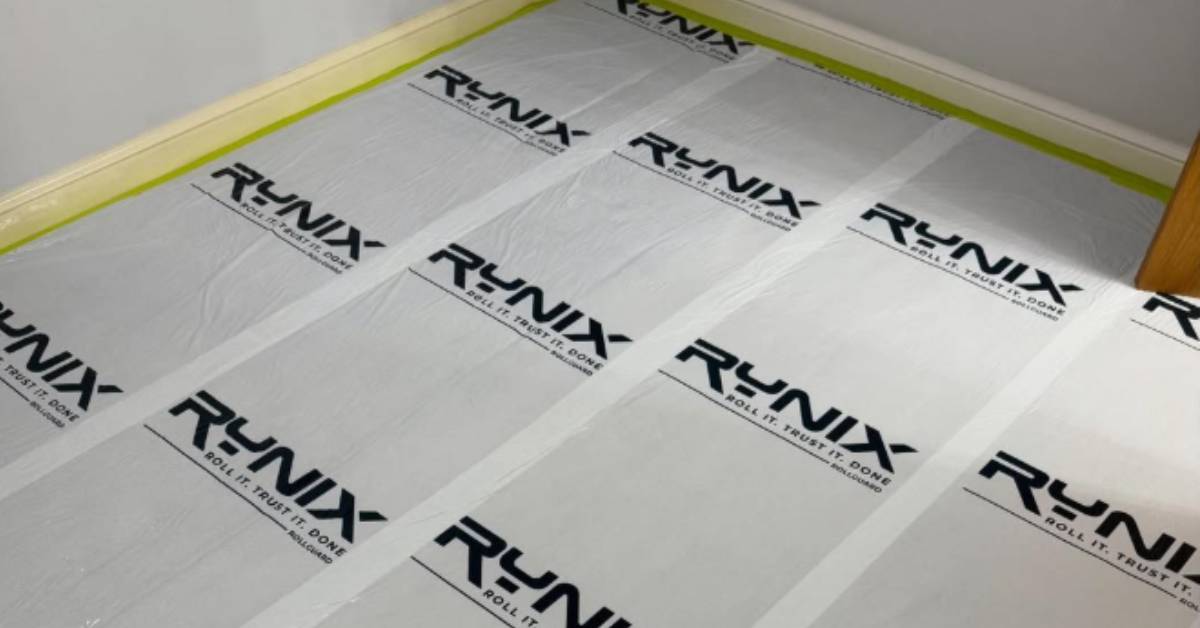
Renovations, DIY projects, and heavy foot traffic can quickly ruin even the best carpets. Paint spills, dust, debris, and scratches are all risks that can leave your carpets looking worn and stained. That’s where Rynix RollGuard Carpet Protector comes in - a reliable, easy-to-use solution designed to keep your floors safe during any project.
Whether you’re a homeowner tackling a weekend renovation or a tradesperson managing a larger site, protecting your carpets shouldn’t be a hassle. In this guide, we’ll show you why carpet protection matters, compare your options, and provide step-by-step tips for using Rynix RollGuard effectively.
Why Carpet Protection is Essential
Carpets are an investment, and damage during renovations can be costly to repair or replace. Common risks include:
- Paint and spills: Even a small splash can leave permanent stains.
- Dust and debris: Construction dust can settle deep into carpet fibres.
- Scratches and scuffs: Moving furniture or tools across carpets can leave marks.
- High traffic: Heavy foot traffic during a project can flatten fibres or cause wear.
Using a quality carpet protection roll like Rynix RollGuard saves both time and money while keeping your carpets looking pristine.
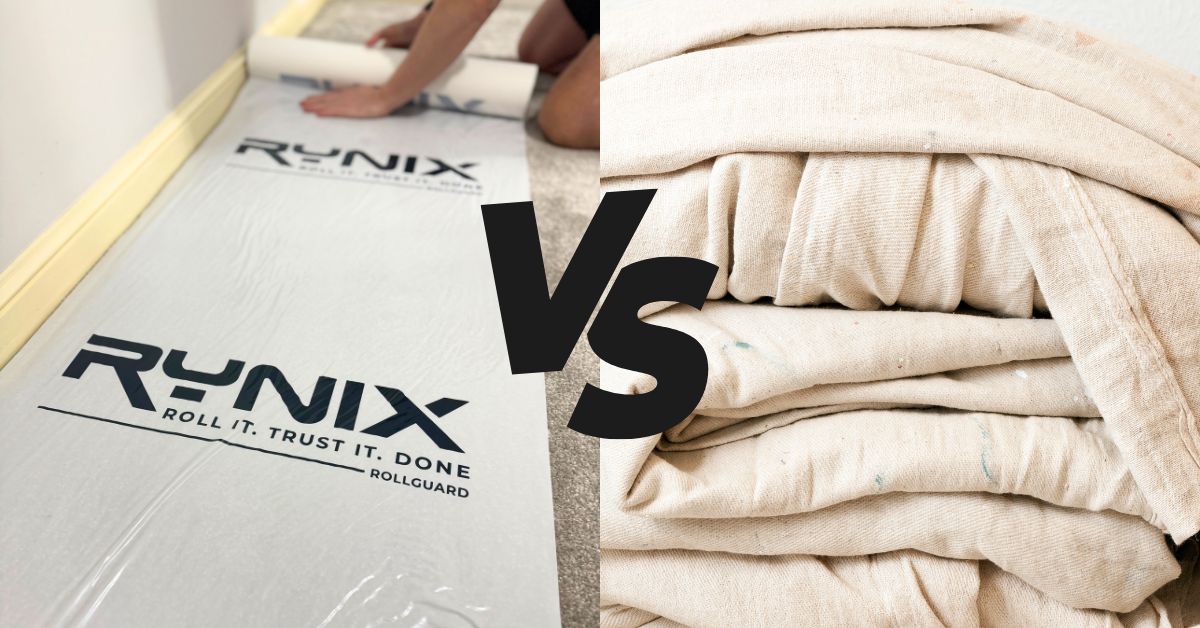
Different Carpet Protection Options
There are several ways to protect carpets, but not all are equally effective:
- Dust Sheets: Lightweight and affordable but prone to slipping and tearing.
- Plastic Film: Can stick to carpets and leave sticky residue, sometimes causing damage.
- Carpet Boards / Correx Sheets: Durable but less flexible for irregular spaces and corners.
Rynix RollGuard offers the perfect balance: durable, easy to cut and fit, non-slip, and residue-free. It’s designed to withstand heavy traffic, making it ideal for both DIY enthusiasts and professional tradespeople. Check the full application guide here for best results.
Step-by-Step Guide to Using Rynix RollGuard
Protecting your carpets is simple when you follow these steps:
- Measure Your Space: Measure the rooms or areas you want to protect.
- Cut the Roll: Use scissors or a utility knife to cut RollGuard to the desired length.
- Lay It Down: Place the roll directly on the carpet, making sure it covers high-risk areas.
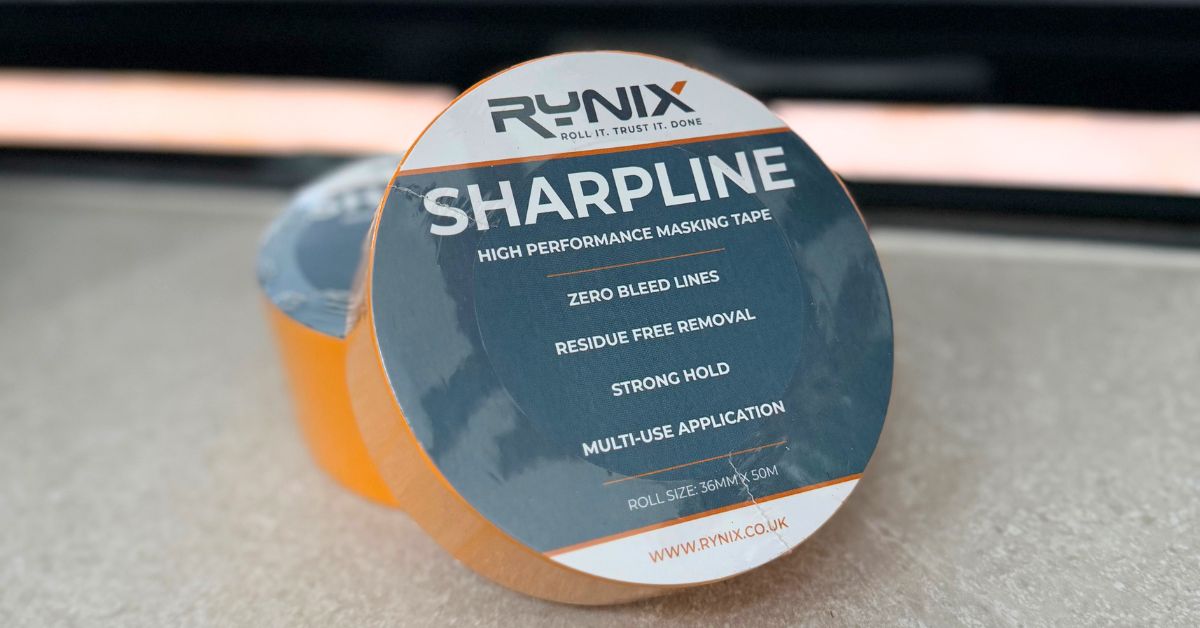
- Secure Edges: For extra security, use masking tape along edges or corners to prevent slipping.
- Special Areas: For stairs, corners, or irregular shapes, cut smaller sections to ensure full coverage.
Pro Tip: For long hallways or multiple rooms, connect sections of RollGuard with a slight overlap to maintain continuous protection. See more detailed instructions in our User Application Guide.
Tips & Tricks for Maximum Protection
- Duration: RollGuard can stay down for the duration of your project without damaging the carpet.
- Traffic Considerations: Rynix RollGuard is built tough enough for high-traffic zones like hallways, entryways, and stairs - it's not slip backing and tear-resistant surface handle heavy footfall without shifting or tearing, making it ideal even in busy areas during renovations.
- Cleaning: Light dusting or vacuuming over the protector is safe, keeping your project area clean.
- DIY vs Trades: Tradespeople can use multiple rolls to cover large spaces, while homeowners may only need smaller sections.
Real-Life Examples
Many of our customers have seen the benefits of using Rynix RollGuard:
- A homeowner renovating their living room avoided paint spills entirely by covering the carpet with RollGuard.
- A local contractor used RollGuard on a commercial site, protecting high-traffic areas while moving furniture and equipment.
Have questions? Visit our FAQ page.
Conclusion
Protecting your carpets during renovations and DIY projects doesn’t have to be stressful. With Rynix RollGuard Carpet Protector, you get a durable, easy-to-use solution that saves time, prevents damage, and keeps your floors looking pristine.

Leave a comment
This site is protected by hCaptcha and the hCaptcha Privacy Policy and Terms of Service apply.