
Stairs are one of the hardest areas in any property to protect. They see constant foot traffic, they're awkward to sheet up, and they're often the one part of a job a client will notice first if something goes wrong. For decorators, plasterers, builders and property managers working across the UK, getting stair protection right isn't just about tidiness, it's about avoiding costly damage, complaints, and callbacks.
This guide covers the practical side of protecting stairs during decorating, renovation and plastering work, answers the questions tradespeople ask most often about carpet protection, and looks at where Rynix RollGuard fits into a professional's kit.
Why Stairs Are a Weak Point on Every Job
Unlike a flat room, stairs combine several risk factors at once:
- Heavy, repeated foot traffic — every trip up and down with tools, materials or waste passes over the same few treads
- Awkward geometry — corners and risers make sheets and dust cloths difficult to secure
- High visibility — stairs and landings are often the first thing a homeowner or client sees when they walk in
- Slip and trip risk — loose sheeting on stairs is a genuine safety hazard, not just an inconvenience
Falls on stairs are consistently among the most common workplace incidents for tradespeople.
Protecting Stairs When Decorating, Renovating and Plastering
The right approach depends on the job, but a few principles apply across painting, plastering, and general renovation work:
1. Cover before you start, not halfway through. Once plaster dust or paint has been dragged across a stair carpet, it's very hard to fully lift out. Protection should go down before materials or tools arrive on site.
2. Choose protection that won't move. Traditional dust sheets are notorious for slipping on stairs, bunching underfoot, or leaving edges exposed within an hour of being laid. On a staircase, that's the area you can least afford to leave uncovered.
3. Match the protection to the mess. Plastering produces fine dust that works its way into carpet pile; painting risks liquid spills that soak straight through absorbent fabric sheets. Whatever you use needs to handle both dust and liquid without letting it reach the carpet underneath.
4. Plan for the whole job duration. Renovation and plastering jobs can run for days or weeks. Protection that needs re-laying every morning wastes time; protection that can stay down securely for the length of the job saves it.
What Is the Best Protective Covering for Stair Carpets?
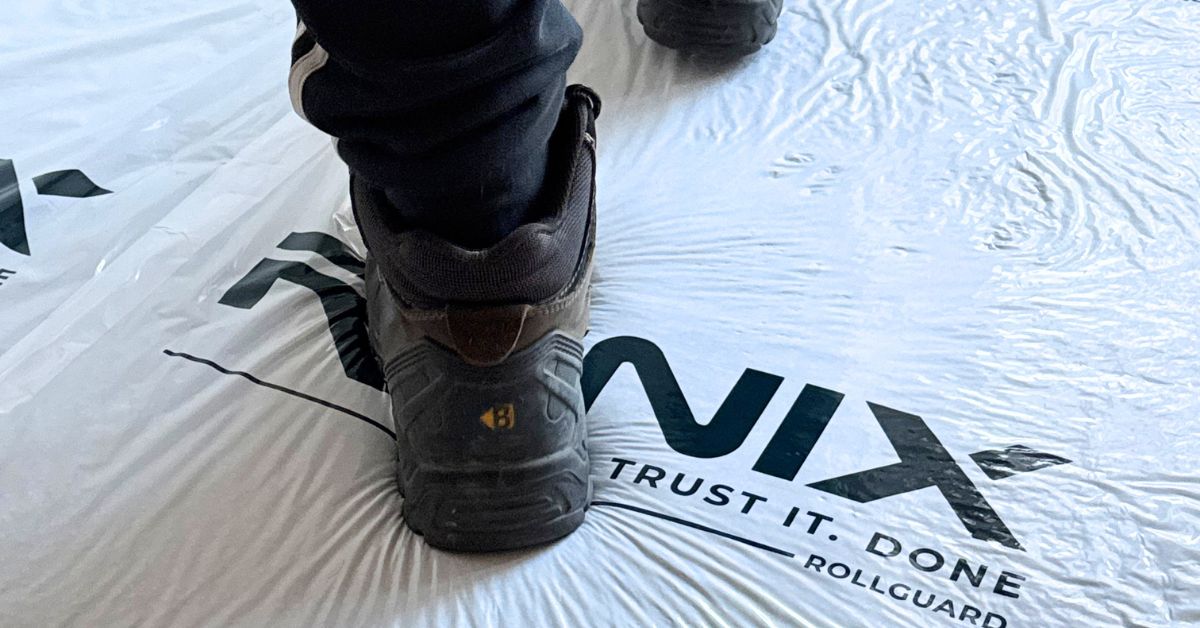
For stair carpets specifically, the best protective coverings share three characteristics: they stay firmly in place on uneven, angled surfaces; they're resistant to both liquid and dust; and they can be walked on safely and repeatedly without shifting or tearing.
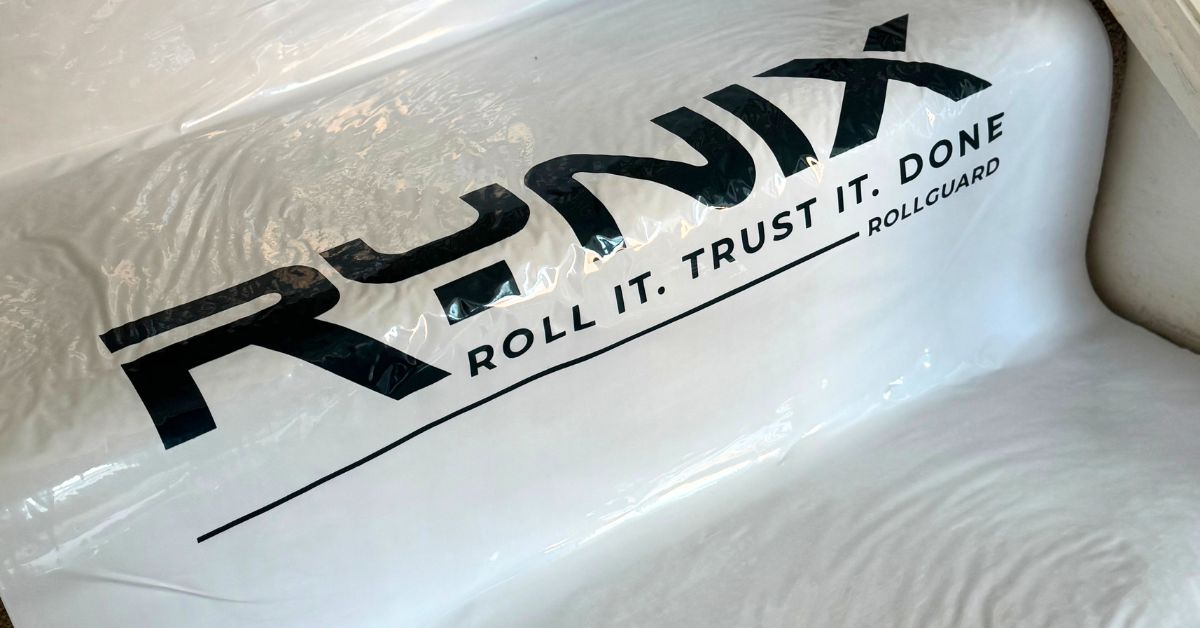
This is why self-adhesive carpet protection film has become the preferred choice for stairs among professional decorators and contractors. Rynix RollGuard has a non-slip backing keeping it secure on stair treads, nosings and corners throughout a job, while the 70-micron film creates a barrier against paint, plaster, dust and general site mess. You can read more detail on how adhesive film compares with traditional covers in Rynix's dust sheets vs adhesive carpet protector guide.
Are Self-Adhesive Carpet Protectors Worth It?
For anyone doing this work regularly, the short answer is yes — and the case comes down to time, risk and finish quality rather than just the cost of the roll itself. It's not only a trade tool either: for anyone tackling a DIY renovation project at home, the same ease of use means you don't need professional experience to get a secure, tidy result.
Time: Dust sheets take time to lay, reposition throughout the day, and re-lay the next morning if they've shifted. A self-adhesive film goes down once and stays down
Risk: Loose sheeting on stairs is a slip and trip hazard, and absorbent fabric sheets don't stop spills reaching the carpet. A securely adhered, spill-resistant film addresses both problems at once - protecting the carpet and the people walking on it.
Finish quality: Clients and homeowners judge a job on what they see at handover. Paint-stained dust sheets dragged across a stair carpet, or plaster dust trodden into the pile, reflect on the standard of the work, even if the actual job was done well. Clean, secure protection avoids that entirely.
Complete the Job with Rynix SharpLine
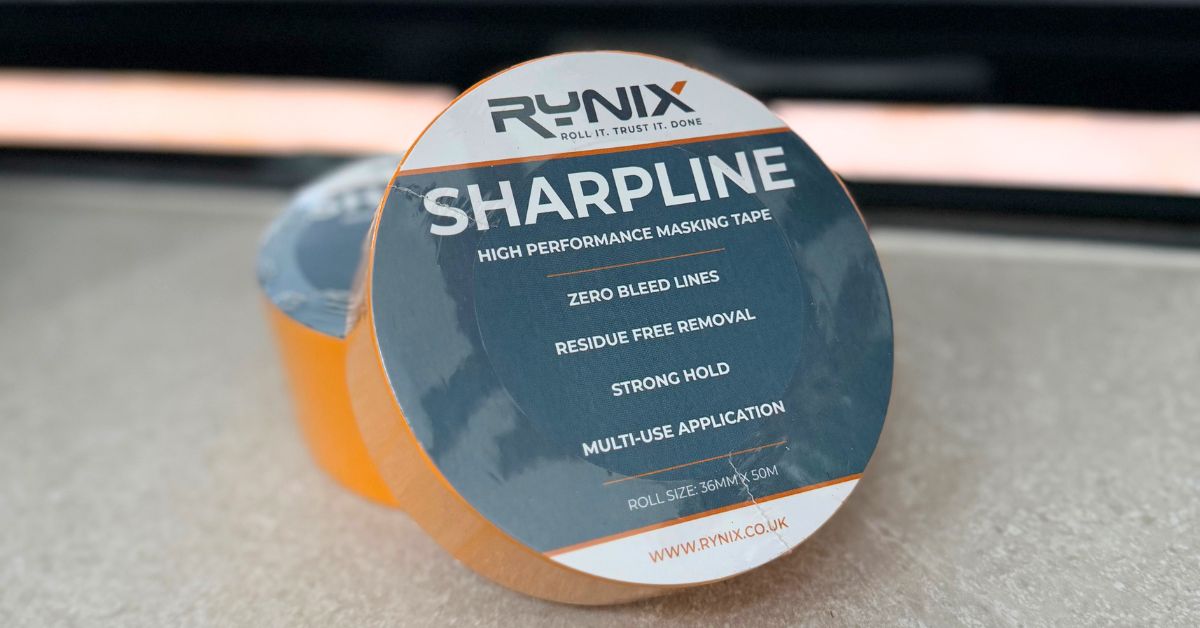
For jobs where you're also masking skirting boards, architraves or edges alongside stair protection, Rynix SharpLine masking tape is designed to be used alongside RollGuard for a complete protection setup.
Final Thoughts
Stairs will always be one of the trickiest areas to protect on a decorating, plastering or renovation job, but they don't have to be the area where things go wrong. Choosing protection built for the job, rather than making do with dust sheets that were never designed for it, saves time on site and protects your reputation with every client.
Find out more about Rynix RollGuard and order online for your next project.

Leave a comment
This site is protected by hCaptcha and the hCaptcha Privacy Policy and Terms of Service apply.